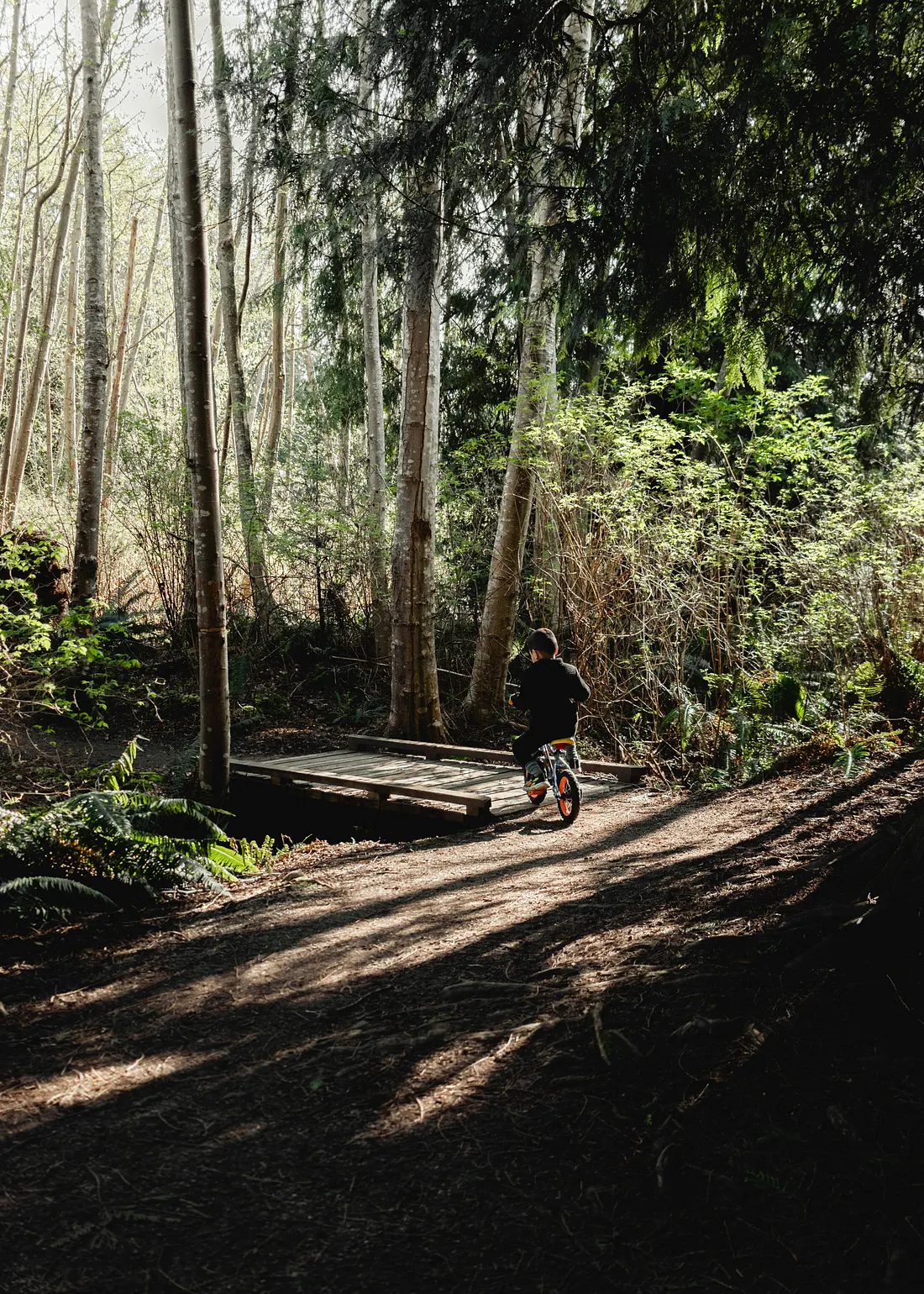
Autor: Denisa Pătrăsciuc, clasa a X-a B
Sursă imagine: https://lifecoachjennyd.medium.com/how-childhood-shapes-the-self-d611865b423a
Have you ever wondered why some people are confident while others are shy? Why some individuals find it easy to trust others, while some struggle to form close relationships? Although genetics play an important role in who we are, our childhood experiences have a significant impact on the development of our personality.
Childhood is one of the most important stages of life. During these early years, children learn how to understand the world around them. They develop beliefs about themselves, build emotional responses, and form the foundations of their character. The experiences they have during this period can influence their behavior and attitudes for many years.
One of the strongest influences on personality is the family environment. Children who grow up in supportive and caring households often develop a stronger sense of self-confidence and emotional security. When parents encourage, listen to, and support their children, they help them build healthy self-esteem. On the other hand, constant criticism, neglect, or family conflict can affect the way children see themselves and interact with others.
Positive experiences also play a major role in shaping personality. Feeling loved, accepted, and valued can help children become resilient, optimistic, and socially confident. These experiences teach them that they are capable of overcoming challenges and building meaningful relationships.
However, not all childhood experiences are positive. Difficult situations such as bullying, family problems, or emotional neglect can leave lasting effects. Children who face these challenges may develop anxiety, trust issues, or low self-esteem. Nevertheless, psychologists emphasize that negative experiences do not determine a person’s future. Human beings are capable of growth, adaptation, and change throughout their lives.
While a loving and supportive environment is essential for healthy development, extremes can sometimes create challenges later in life. For example, children who are excessively spoiled and rarely face consequences may struggle to adapt to situations where they are not the center of attention. They may find it difficult to accept criticism, follow rules, or cooperate within a group. As adults, they may expect special treatment and become frustrated when reality does not meet their expectations.
On the other hand, children who grow up with very little emotional support, constant criticism, or excessive strictness may develop low self-esteem, insecurity, or difficulty expressing their emotions. Some may become withdrawn and avoid social interactions, while others may spend much of their lives seeking approval and validation from others.
Similarly, overprotective parenting can prevent children from developing independence and problem-solving skills. If children are never allowed to make mistakes or face challenges on their own, they may struggle with responsibility and decision-making later in life.
The healthiest environment is often one that balances love with boundaries. Children benefit from feeling supported and valued, but they also need to learn responsibility, respect, and how to cope with challenges. Through this balance, they are more likely to develop confidence, resilience, and healthy social skills.
As children grow older, their social environment becomes increasingly important. Friends, teachers, and classmates all contribute to personality development. Positive friendships can encourage empathy, communication skills, and self-confidence, while negative social experiences may influence how individuals perceive themselves and others.
It is important to remember that personality is not completely fixed. While childhood lays the foundation, people continue to learn and develop throughout their lives. New experiences, relationships, and personal choices can shape who they become in adulthood.