Autor: Macsim Elena, clasa a XI-a C
Sursă imagine: https://www.istockphoto.com/ro/vector/b%C4%83iatul-crede-gm1416439924-464070611?searchscope=image%2Cfilm
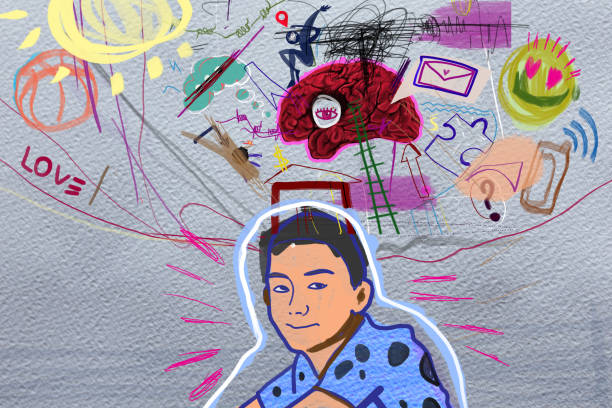
We tend to think of adolescence as the most difficult stage in human development. Mention the word ‘teenager’ and certain stereotypical behaviour comes to mind: not wanting to communicate with parents or adults in general, doing silly or dangerous things like skateboarding down a stair rail, constantly chatting to friends on social media. But rather than looking at ( and being critical of) specific behaviour like this, it is probably more useful to think about what lies behind it.
We all like new and exciting things. At around the age of fifteen, we reach a peak in what scientists call ‘ sensation seeking ‘: the hunt for experiences that are unusual or unexpected. Sensation seeking doesn’ t necessarily mean being impulsive – acting on the spur of the moment to satisfy your wishes. That is more a characteristic of toddlers and young children, which from the age of about ten, begins to decrease. Teens, actually, like adults, often plan their thrills ( a skydive, a bungee jump, driving a fast car ) quite deliberately.
Such behaviour might seem dangerous because it involves taking risks, but sensation seeking can also be a positive thing, because trying out new things can expand your world. The desire to meet new people, for example, can lead to a wider circle of friends and ultimately a happier, more successful life. The difference here with adult behaviour is not that teens ignore risks; in fact, they recognize them just as much as adults do. Teens generally take more risks because they value the reward of getting something they want highly. Researchers believe this willingness to take risks is linked to the human need to be able to adapt to new surroundings when they are young. To be successful in life, you have to move out of home and into a new, less secure environment. And that is risky.
Another characteristic of adolescents is that they prefer the company of people their own age. This is partly because their peers offer more novelty and variety than boring old family. But there is another, more powerful reason: teenagers need to invest in the future rather than the past. We enter a world made by our parents. But we live most of our lives, and thrive ( or not) in a world managed and re-made by our peers. So understanding and building relationship with them is vital. The importance of peer influence can be seen clearly in how strongly teenagers often react when they fall out with a friend or are excluded from a social peer group. They react as if their future depended upon these friendships! And they’ re right. In many ways it does.
Excitement, novelty, risk, the company of peers. We think of them as characteristic of the modern western adolescent, but these elements define adolescence in almost all human cultures, modern or ancient. As adults, we complain about these characteristics and say things like ‘ Don’ t worry – they’ ll grow out of it soon.’ But actually we should celebrate them, because, in scientific terms at least, they make teenagers quite possibly the most adaptable human beings around.