de Elena Mădălina Apostol, profesor de limba engleză
Between December 13–17, 2025, the project “Educational and Cultural Bridge Romania–Turkey: Dialogue Between Generations” created a genuine connection between the students and teachers of „Carmen Sylva” Theoretical Highschool and those of Edirne Sosyal Bilimler Lisesi, transforming an ordinary week into a meaningful experience filled with learning and friendship.
The Romanian delegation consisted of a group of 20 high school students and the accompanying teachers Gemil Meral Leila, Apostol Elena Mădălina, Manea Eleonora, Morogan Mihaela Ramona, and Munteanu Raluca Elena. The management team of LTCS – Principal Prof. Onoaie Emilian and Vice Principal Prof. Bâcă Alina Mihaela – was involved in preparing and organizing the project, but both were required to remain in Romania due to urgent administrative matters. Their message was delivered with emotion during the cultural activities held in Edirne.
On behalf of the host school, the project was supported by Kamil Andıç (Principal of ESBL), together with teachers Dilek Erdağ Bek, Ali Karapire, Duygu Çakarel, Erdem Günay, and Serkan Tuncay, who, along with the host families, demonstrated exemplary hospitality.
The program was structured so that students could discover Turkish culture, education, and daily life through direct participation, joint activities, and authentic dialogue with their Turkish peers.
December 13 – Arrival in Edirne
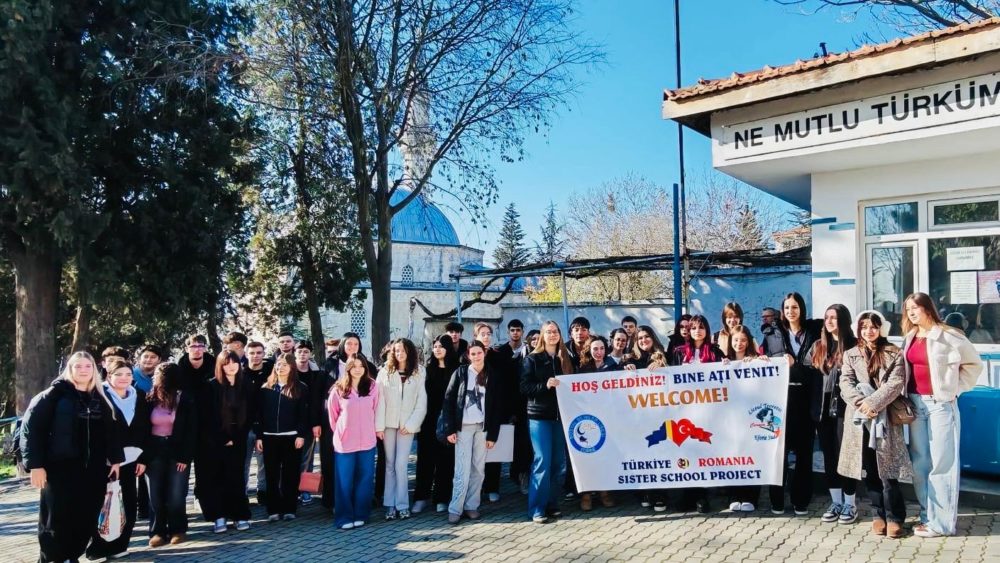
Upon arrival in Edirne, the Romanian students and teachers were warmly welcomed by the host families and the ESBL team. The students went directly to their host families, where they became acquainted with their living environment, while the teachers were accommodated in a hotel reserved exclusively for school staff. The day concluded with free time, allowing students to adjust and begin their first interactions with their host families.
December 14 – Istanbul: Meeting a Symbolic City
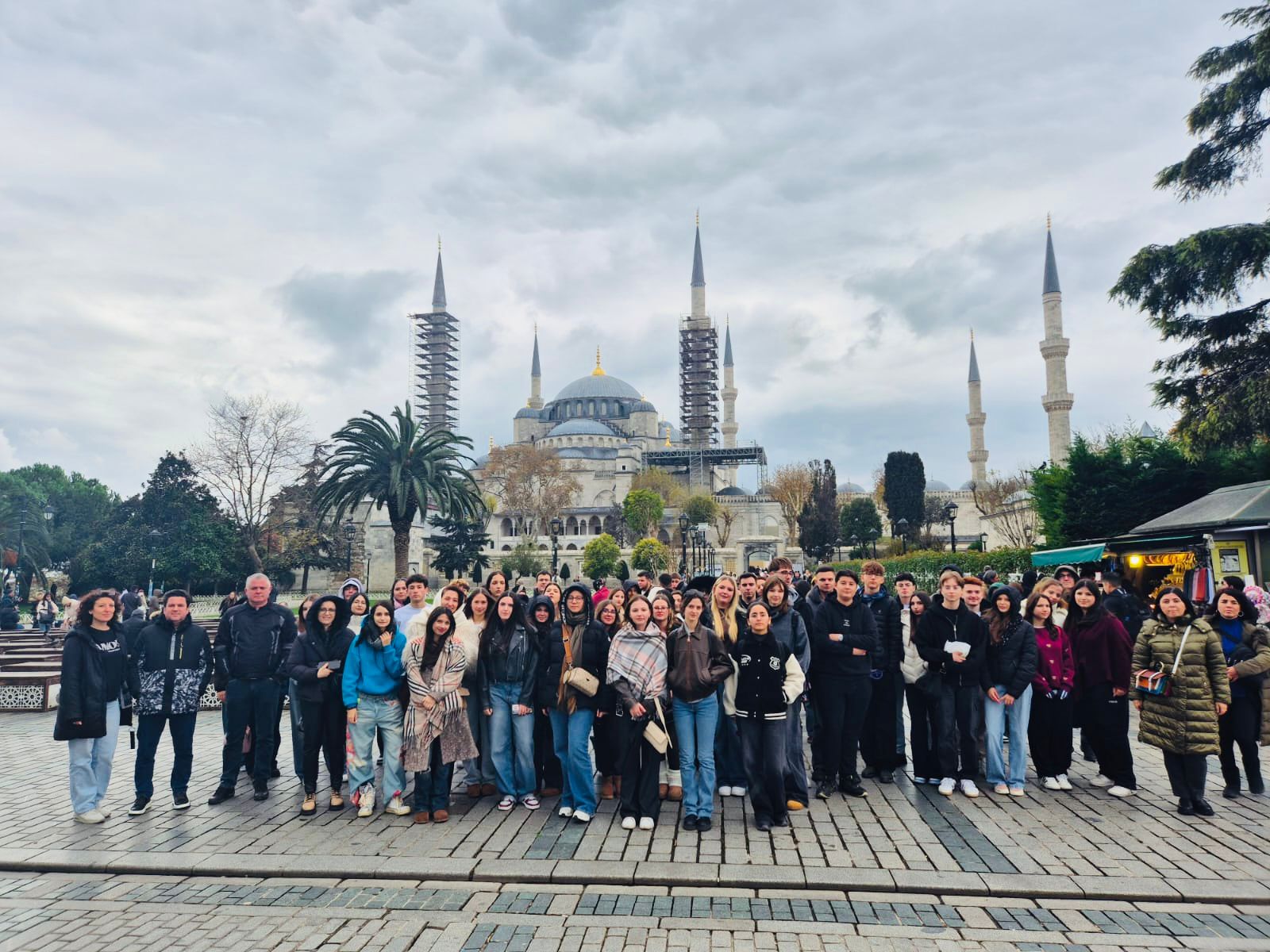
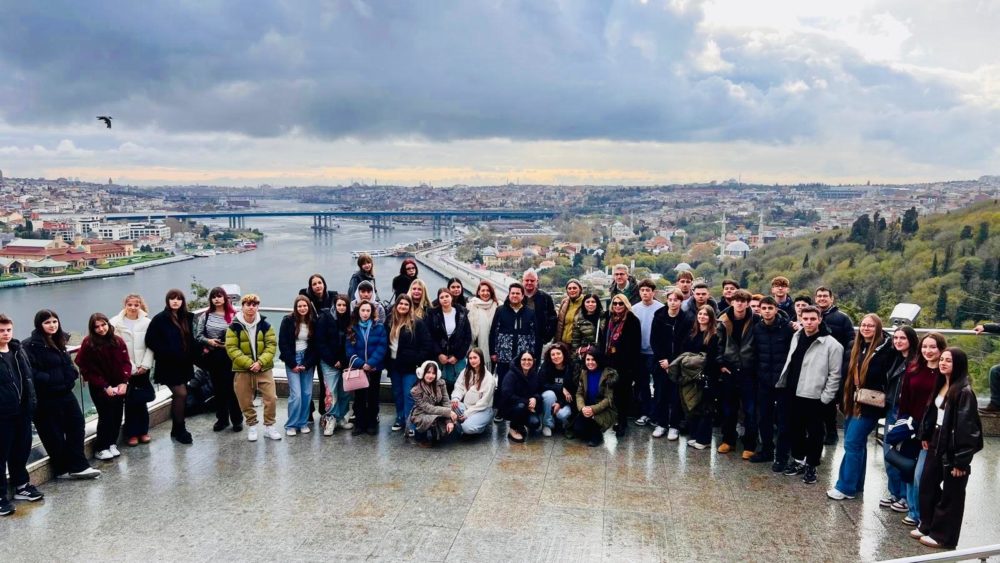
Sunday was dedicated to a highly anticipated moment: the excursion to Istanbul. Students visited the historical and cultural landmarks included in the program, discovering a unique city located at the crossroads of two worlds. The experience deeply impressed them, not only through the grandeur of the sites but also through the cosmopolitan atmosphere and vibrant energy of the metropolis.
December 15 – School, Stage, and Tradition: A Meaningful Day
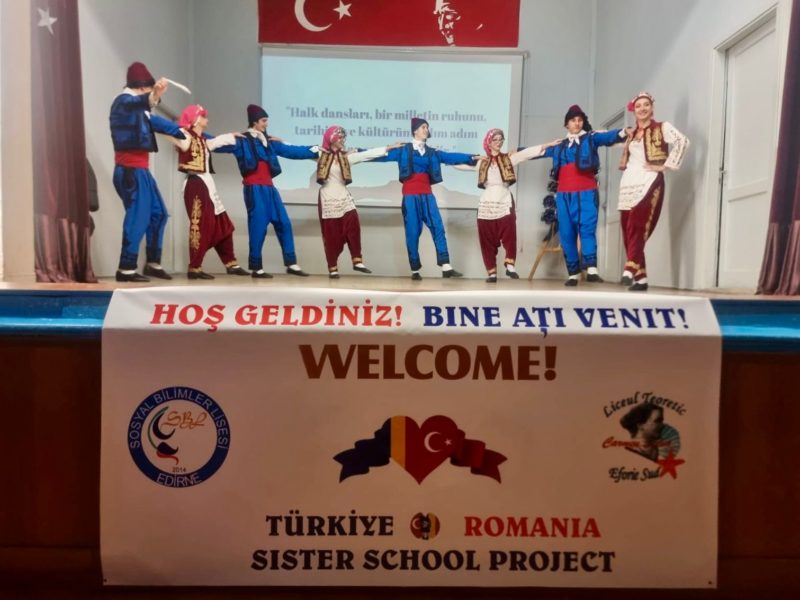
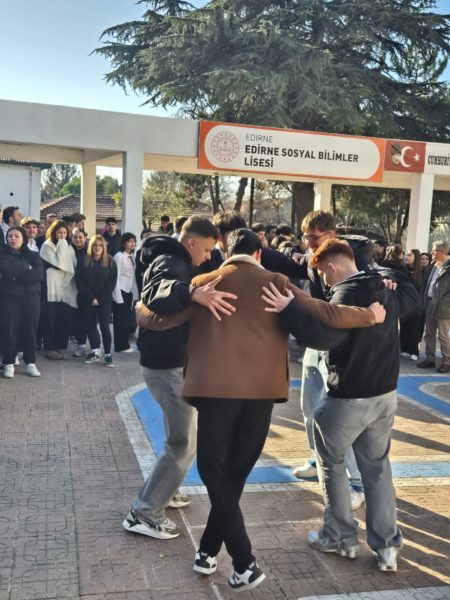
The day began with an official reception, where the LTCS delegation was welcomed with traditional Turkish dishes and a warmth that set the tone for the entire week. In the first part of the day, in the school’s auditorium, the hosts offered a remarkable cultural moment: Turkish students performed a short play about peace, recited poems by Mihai Eminescu in Turkish and English, and presented traditional dances that filled the hall with emotion and enthusiasm. In this festive setting, the message of the LTCS leadership was presented by Professor Apostol Mădălina, expressing gratitude for the hospitality and emphasizing the importance of the partnership. Later, Professor Morogan Mihaela delivered a message in Turkish as a sign of respect and appreciation for the hosts.
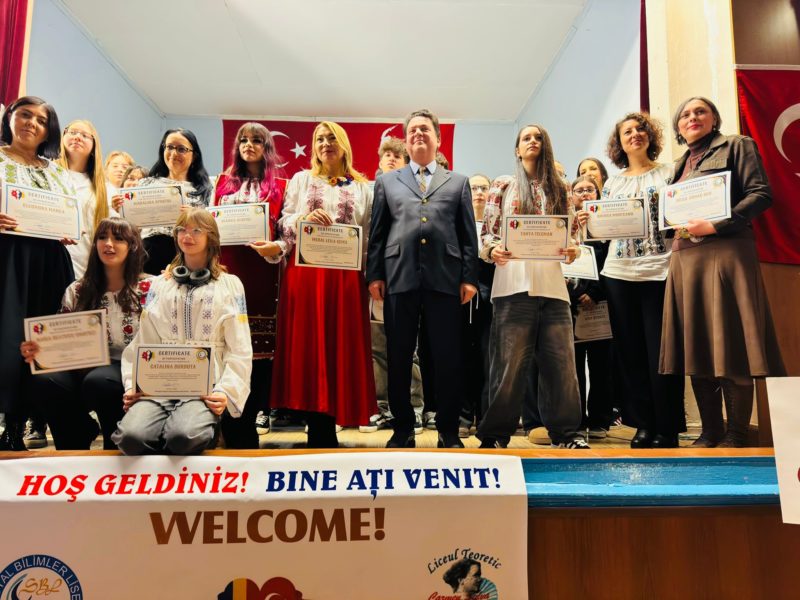
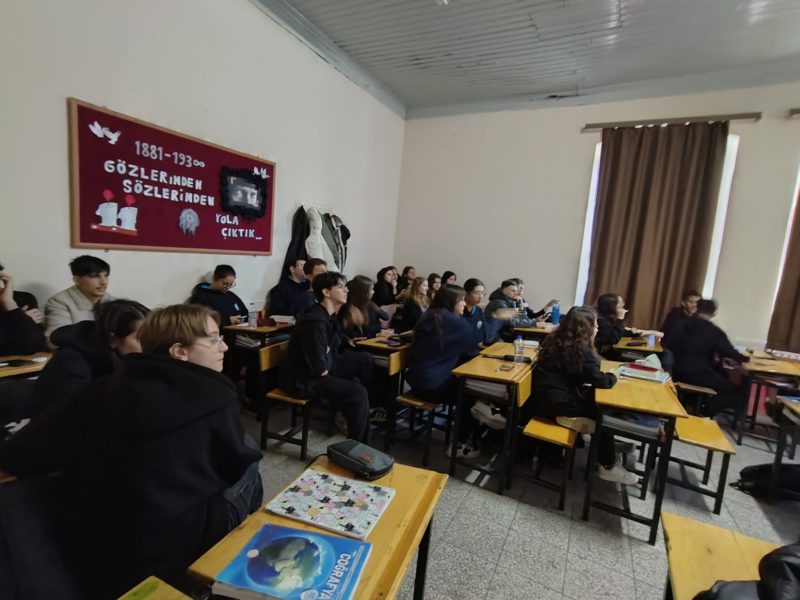
After the ceremony, Romanian students attended classes alongside their Turkish peers in subjects such as geography, Turkish language, and history. It was an opportunity to observe teaching methods, classroom dynamics, and cultural differences, all within a climate of respect and openness.
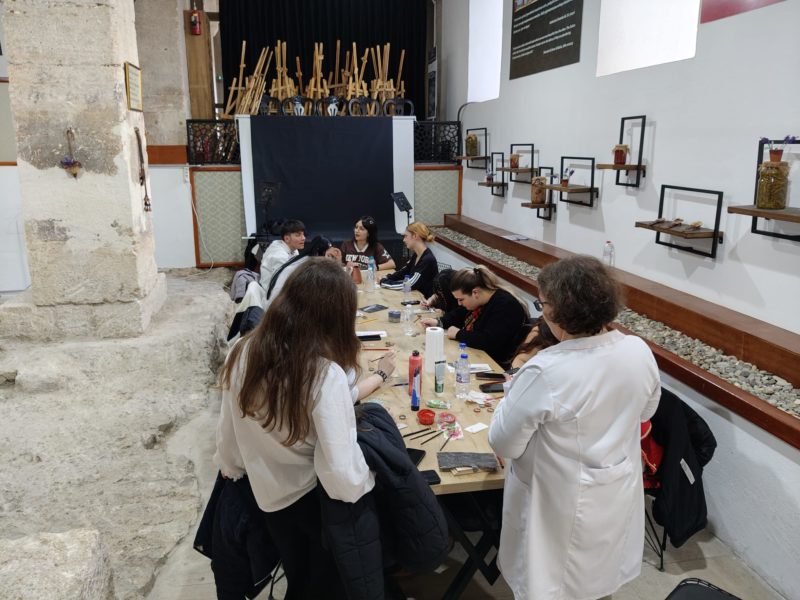
The afternoon was dedicated to craft workshops at the Devecihan Cultural Centre, where students experimented with traditional techniques and worked in mixed Romanian–Turkish teams, discovering creativity as a universal language.
December 16 – Science, Creativity, and Official Meetings
The second school day was dedicated to science. Students attended captivating demonstrations in chemistry, physics, and biology, followed by model lessons that sparked their curiosity. The Ebru workshop – the art of marbling, where students created paintings on water – completed the day with an artistic component combining patience, finesse, and creative freedom.
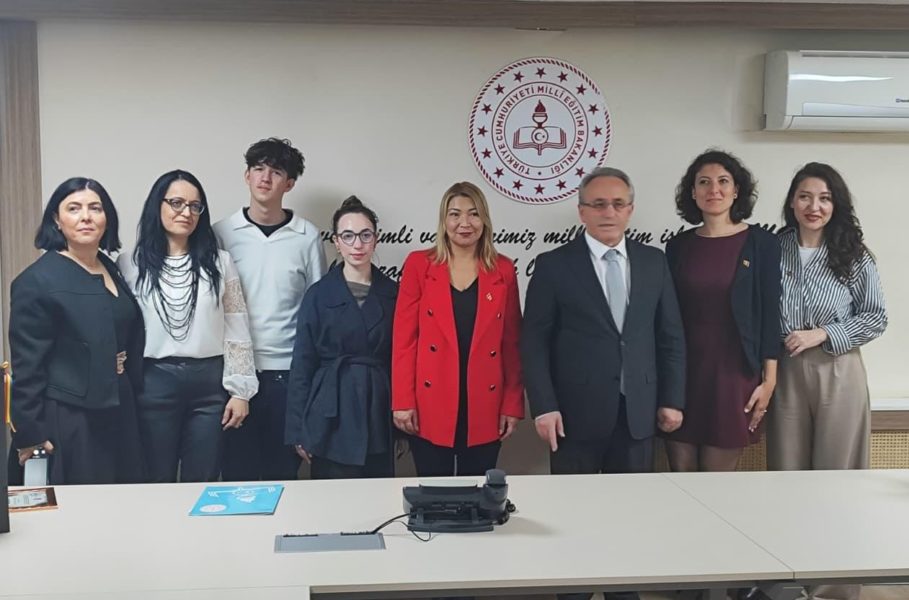
Later, the LTCS delegation visited the Edirne Directorate of Education, a moment that highlighted the importance of institutional collaboration. The day concluded with a walk along Saraçlar Street, where students continued intercultural dialogue in a relaxed and friendly atmosphere.
December 17 – Edirne–Adrianople: The City as a Living History Lesson
The final day of the visit included a city tour of Edirne, giving students the opportunity to explore the architectural and cultural heritage of the region. They learned that Edirne, historically known as Adrianople, was the capital of the Ottoman Empire before the conquest of Constantinople and, for centuries, an important political, cultural, and religious center. Situated at the crossroads of the Balkans and Anatolia, the city reflects successive historical layers – Byzantine, Ottoman, and modern – visible in its architecture, religious diversity, and daily life.
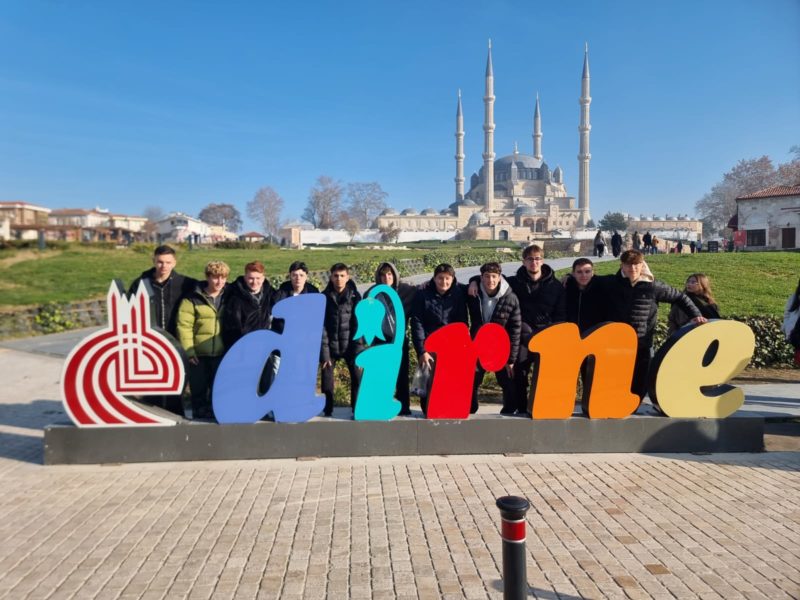
In this context, students visited the Edirne Great Synagogue, the largest in Turkey and the third largest in Europe at the time of its inauguration, as well as emblematic monuments such as the Selimiye Mosque and the Old Mosque, major landmarks of the city’s religious and historical heritage. The tour continued through the Ali Paşa Bazaar, a former regional commercial center, and at Edirne City Hall, where students visited the room dedicated to Mustafa Kemal Atatürk, discovering his essential role in shaping modern Turkish identity.
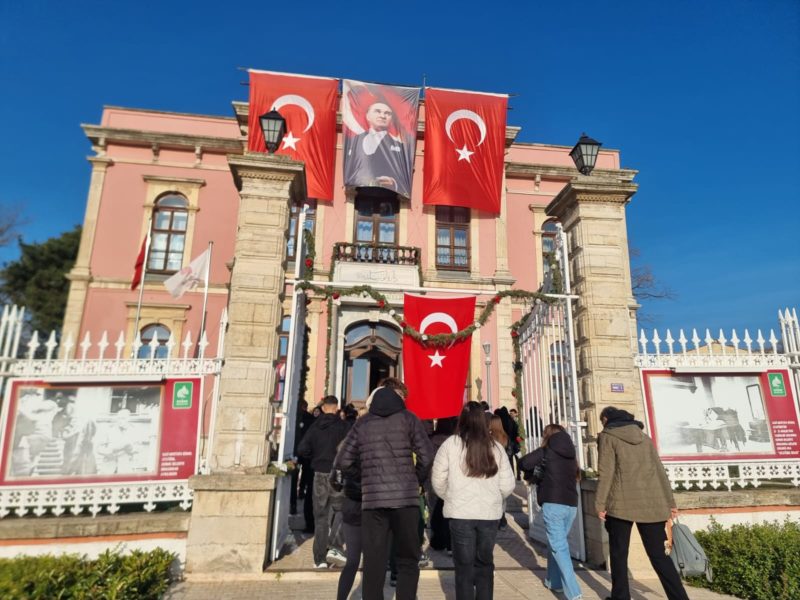
For the students, Edirne was not merely a tourist destination but a space where history became tangible and accessible, offering a real context for discussions about identity, coexistence, and cultural continuity. The boat ride on the Meriç River provided a peaceful perspective and an appropriate setting for reflection on the experiences they had shared.
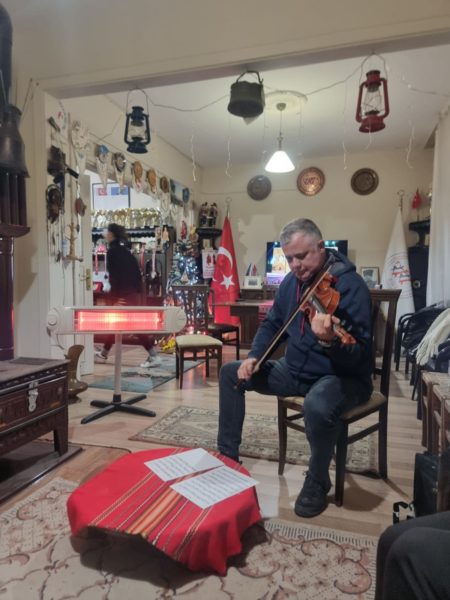
The evening before departure brought a truly special conclusion to the mobility: the teachers’ meeting at the headquarters of the HOTEAD folk ensemble in Edirne. In a warm and informal setting, the music teacher performed on the violin, accompanied by the host school’s principal and colleagues, in a moment of genuine artistic communion. This gathering, naturally built around music and dialogue, represented a symbolic and profound closing of the Edirne experience.
The Impact of the Project on Participants
The young participants learned how important clear communication, adaptability to a new environment, and openness to diversity are. They discovered that beyond cultural or religious differences, teenagers share common concerns, aspirations, and sensitivities. The hospitality of the Turkish families and the involvement of the host students created an environment in which the Romanians felt safe and appreciated, and daily collaboration led to the formation of genuine friendships.
The experience was equally valuable for the teachers. They had the opportunity to attend classes, observe teaching styles, and analyze the textbooks and resources used in the partner school. They engaged in open discussions with their Turkish colleagues about the strengths and challenges of new generations, about how young people relate to learning, discipline, and technology. They also exchanged ideas and best practices regarding digital methods integrated into the educational process and how these can support student engagement. This professional dialogue strengthened the relationship between the two pedagogical teams and provided each teacher with new perspectives, inspiration, and tools for classroom activity.
A Long-Term Collaboration in the Making
This experience does not represent the end of the collaboration, but only its beginning. Between May 5–9, 2026, the Turkish delegation will, in turn, visit Romania, where LTCS students will host their peers from Edirne and introduce them to our culture, traditions, and school community. Thus, the educational and cultural bridge built in Turkey will continue on the Romanian shore of the Black Sea, strengthening the friendship between the two schools and between the two generations of young people.